
How AI is helping making leadership decisions, before we understand the concepts and impact of both AI in our ordinary life and how AI is impacting leadership decisions ▶
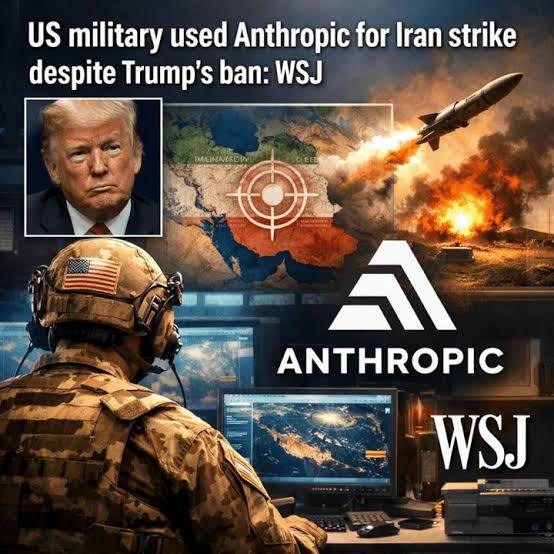
✈ the U.S. military utilized Anthropic’s Claude AI model during major air operations targeting Iran, specifically in an operation referred to as “Operation Epic Fury”
- Role in the Operation
- Intelligence and Targeting: US armed forces Leadership used Claude was used for intelligence assessments, target identification, and processing vast amounts of data (including satellite imagery and signals intelligence) to identify and prioritize targets.
- Battle Simulation: The AI helped simulate combat scenarios, evaluate risks, and predict potential outcomes for operational planning.
- Integration: The tool was embedded within Pentagon systems through partnerships with Palantir and Amazon Web Services, specifically within the Maven Smart System for real-time targeting
- Artificial Intelligence (AI) is transforming various sectors, and its impact on leadership decision-making is particularly profound.
- 📃This document explores how AI can enhance decision-making processes for leaders 👨🏫
- The benefits it brings, potential challenges, and future implications.
- 💻By integrating AI into their strategies, leaders can make more informed, data-driven decisions that can significantly improve organizational performance.
In today’s fast-paced business environment, leaders are often faced with complex decisions that require quick and accurate analysis of vast amounts of data.
Traditional decision-making processes can be slow and prone to human error. AI technologies, such as machine learning, natural language processing, and predictive analytics, offer innovative solutions to these challenges.
By leveraging AI, leaders can enhance their decision-making capabilities, leading to better outcomes for their organizations.
- The Shift from Traditional to AI-Driven Leadership
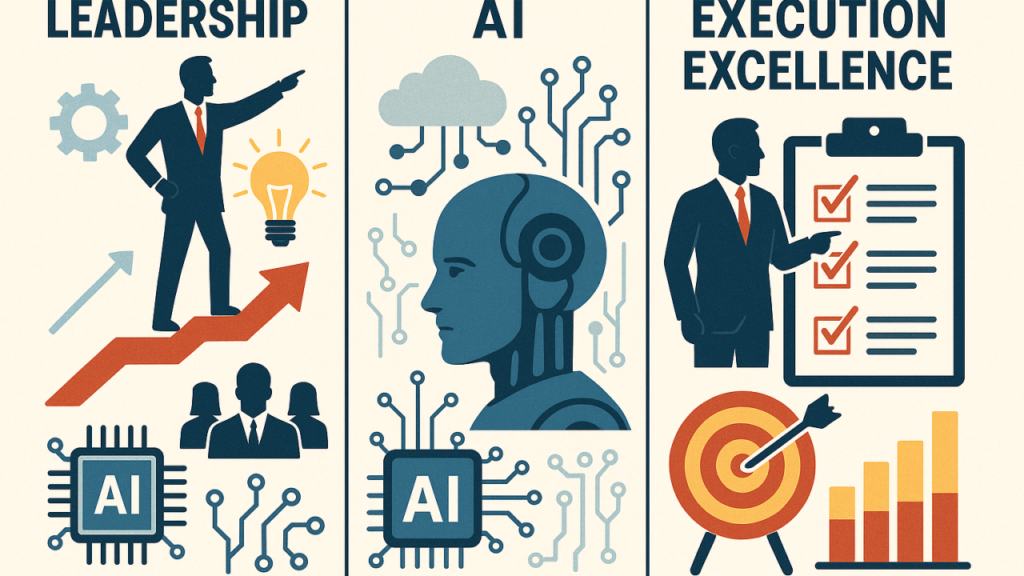
- Traditional leadership models often relied on hierarchical decision-making, limited data analysis, and slower response times. AI has fundamentally changed this dynamic.
- With AI, leaders now have access to:
- Real-time data insights
- Predictive analytics
- Automated decision-support systems
- Enhanced operational intelligence
- These tools enable leaders to move from reactive decision-making to proactive strategy development. For example, AI can analyze market trends, customer behavior, and operational performance in seconds—allowing leaders to anticipate challenges and opportunities before they arise.
Key Pillars of AI-Driven Leadership
1. Data-Driven Decision Making
Modern leaders must become data interpreters rather than relying solely on instinct. AI systems analyze massive datasets and provide insights that guide strategic decisions. This ensures that decisions are more accurate, objective, and aligned with market realities.
2. Augmented Human Intelligence
AI is not meant to replace leaders—it is designed to augment human capabilities. By automating repetitive tasks and providing predictive insights, AI frees leaders to focus on strategic thinking, innovation, and relationship building.
3. Agile and Adaptive Leadership
AI enables organizations to respond faster to change. Leaders must therefore cultivate agility, encouraging teams to experiment, learn quickly, and adapt strategies based on data insights.
4. Ethical and Responsible AI Governance
As AI becomes central to business decisions, leaders must ensure that it is used ethically and transparently. This includes addressing issues such as data privacy, bias in algorithms, and responsible use of automation.
How AI is Transforming Leadership Functions
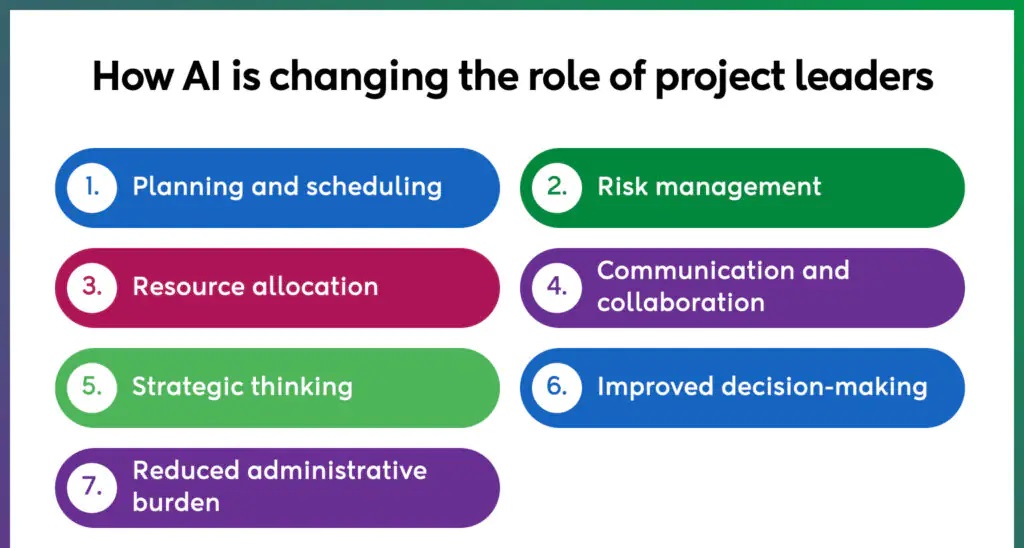
AI is reshaping leadership responsibilities across multiple areas:
Strategic Planning
AI-driven analytics provide predictive insights that help leaders forecast market trends, identify growth opportunities, and mitigate risks.
Talent Management
AI tools can analyze employee performance, predict attrition, and support more personalized workforce development strategies.
Customer Experience
Leaders can leverage AI-driven customer insights to design more personalized products and services, improving satisfaction and loyalty.
Operational Efficiency
Automation and intelligent systems streamline workflows, allowing leaders to optimize resources and reduce operational costs.
Skills Leaders Need in an AI-Powered Era
To thrive in an AI-driven environment, leaders must develop a new set of competencies:
- Digital and AI literacy
- Data interpretation skills
- Strategic thinking and innovation mindset
- Ethical decision-making
- Change management and adaptability
The leaders of tomorrow will not necessarily be technologists, but they must understand how AI works, its potential, and its limitations.
Challenges in AI-Driven Leadership Transformation
Despite its advantages, integrating AI into leadership practices presents several challenges:
- Resistance to change within organizations
- Lack of AI expertise among leadership teams
- Data quality and governance issues
- Ethical concerns around AI decision-making
Overcoming these challenges requires a strong change management strategy, leadership training, and a culture that embraces innovation.
The Future of Leadership in the AI Era
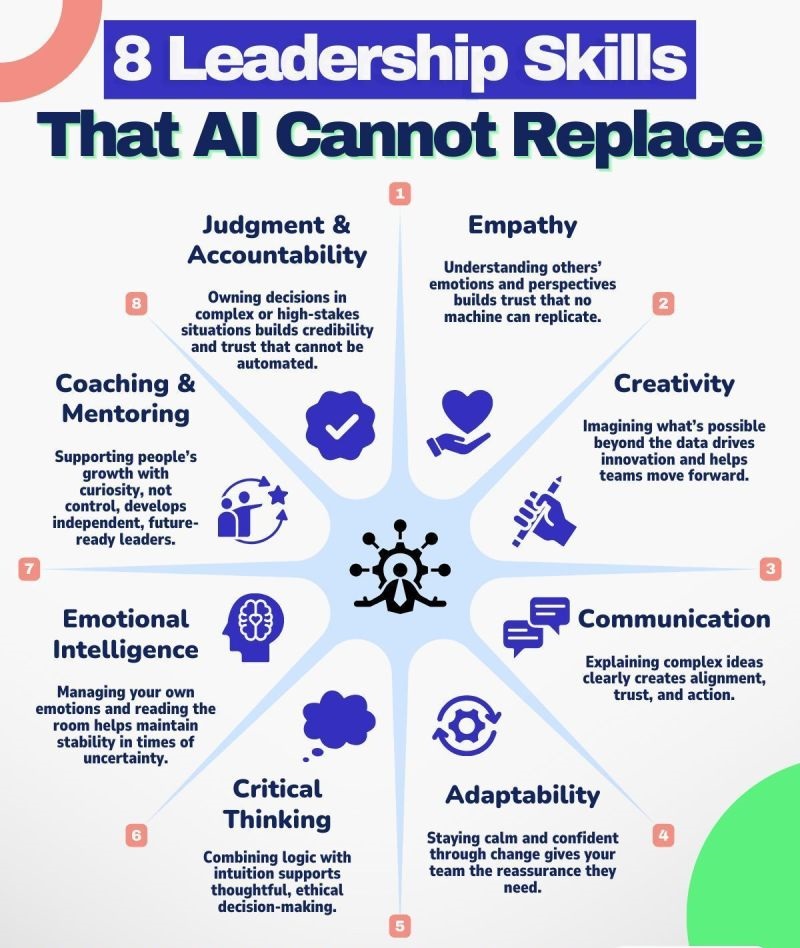
The future of leadership lies in human-AI collaboration. While AI will provide unprecedented analytical capabilities, human leaders will remain essential for vision, empathy, ethical judgment, and creativity.
Organizations that successfully integrate AI into leadership practices will create smarter, more resilient, and more innovative enterprises.
In the coming years, the most effective leaders will not simply adopt AI—they will lead the transformation it enables, guiding their organizations toward a future where technology and human intelligence work seamlessly together.
Leave a Reply